Why Kyral
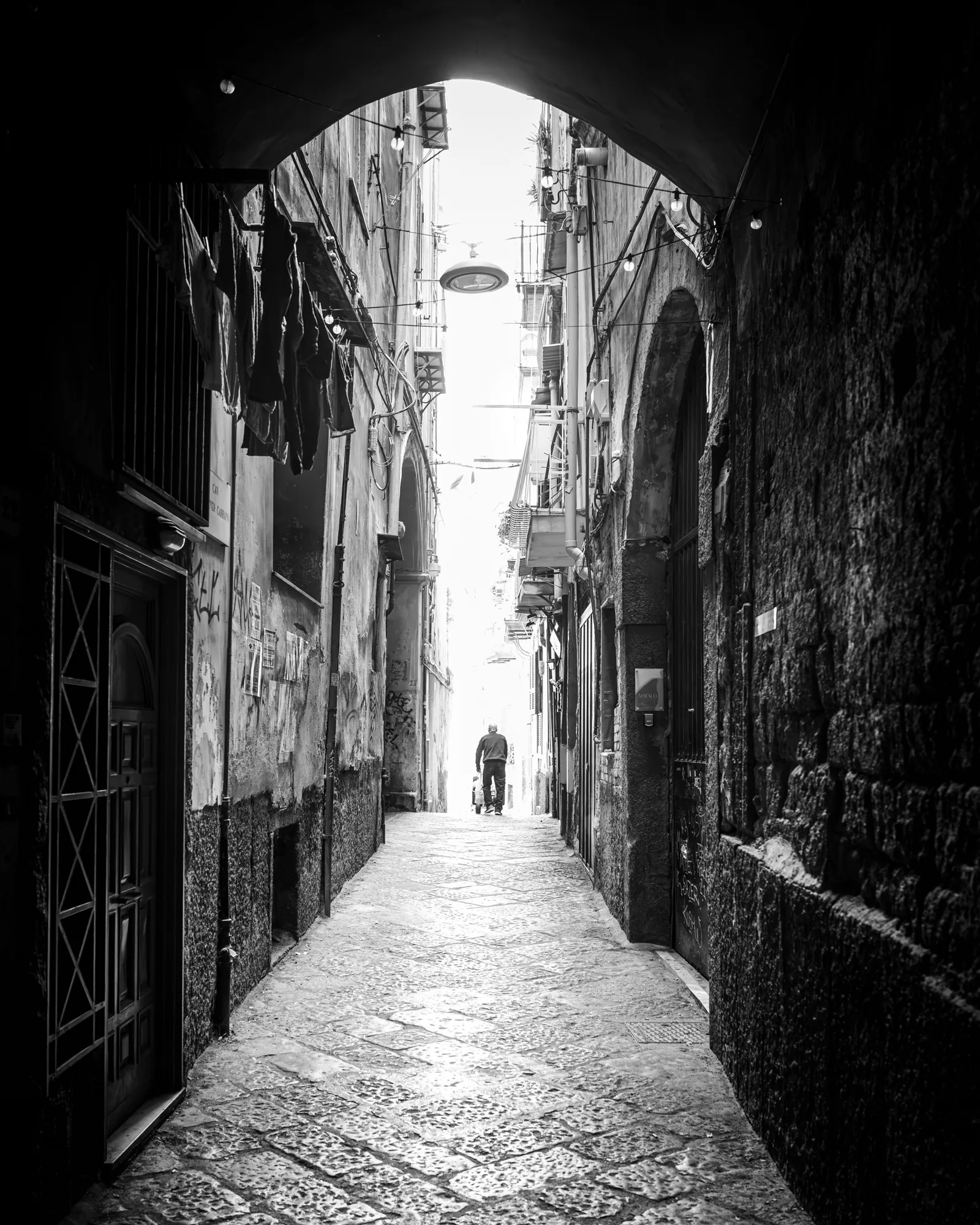
Two photographers is the point
Most masterclasses hand you one way of seeing. Kyral hands you two, in a single day. You shoot with Daniel and with Stuss, watch two non-equivalent eyes read the same street, then start finding your own.
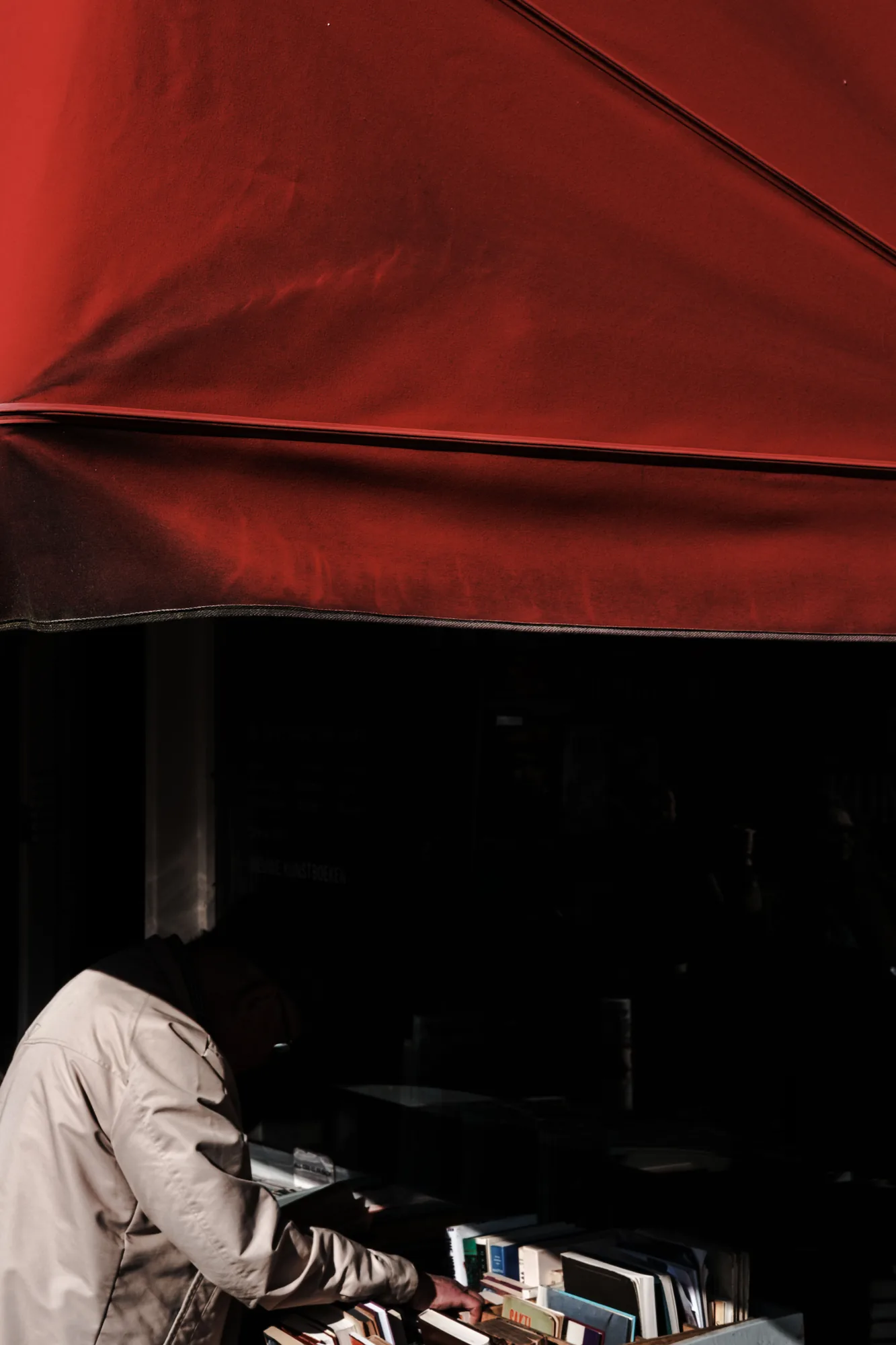
Two methods, side by side
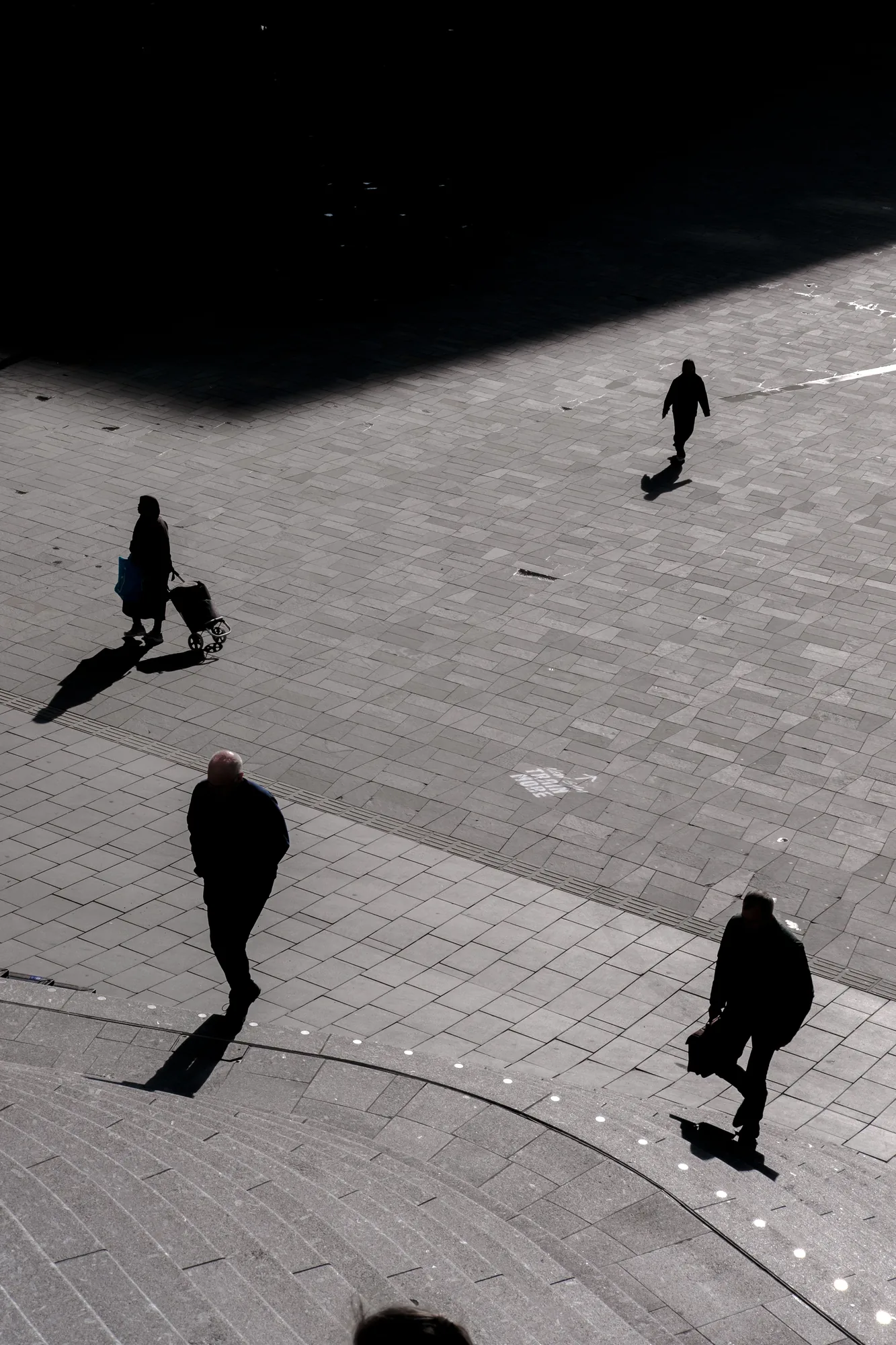
Daniel works documentary, close to people and moments. Stuss teaches Beyond the Obvious, reflections and layered atmosphere. You learn both, then triangulate something that is your own.
Small group, live feedback
Ten people maximum, two instructors. You shoot on the street in rotating groups with feedback in real time, close enough to shape the next frame you take.
The day is only the start
A two-week assignment and a group critique by video call, then a dedicated channel where you keep sharing your work with a growing community. The conversation that starts on the street keeps going.
 Daniel Rachamim
The principle of Kyral
Symmetry breaking
In physics, nature was expected to be symmetric: that right and left would be equivalent. The experiment proved otherwise. Nature chose a side, and that choice revolutionised our understanding of reality.
In photography, the same idea exists. Two styles can look equivalent, same subject, same camera, same moment. But every stylistic choice is a breaking of symmetry. It reveals that the photographer is not neutral. They have already chosen a side, before pressing the button.
Kyral is built on that recognition. Two non-equivalent eyes in one day. You watch both choose, then learn to break your own symmetry.

 Stuss Helder
Masterclasses
Upcoming
- Small groups, two instructors, in English
- Theory on a call first, then an afternoon on the street
- Video call critique two weeks later
 Next masterclass
Amsterdam
- Date
- 19 September 2026
- Time
- 14:00 – 18:00 CEST
- Price
- €300
- Group
- 10 people max
Amsterdam in an afternoon, two photographers reading the same canals and bridges from different angles. Daniel Rachamim and Stuss Helder guide you toward a visual signature that is properly yours.
See the day Masterclass
London
- Date
- 7 November 2026
- Time
- 14:00 – 18:00 GMT
- Price
- €300
- Group
- 10 people max
London's density and light in one afternoon with Daniel Rachamim and Stuss Helder. Two distinct ways of seeing the same streets, building toward a signature that holds together.
See the day